
Relocate to Germany
About Germany
Germany is one of Europe's most dynamic destinations for international professionals, offering a powerful economy, world-class infrastructure, and a high standard of living. With its central location in the heart of Europe, excellent public transport, and a robust job market across industries from automotive to technology, Germany attracts skilled workers from every corner of the globe. The country's universal healthcare system, strong social protections, and renowned education institutions make it an appealing long-term home for families. Its vibrant cities — Berlin, Munich, Hamburg, Frankfurt — each offer a distinct personality, blending cultural richness with modern urban living.
Discover
A place worth moving for
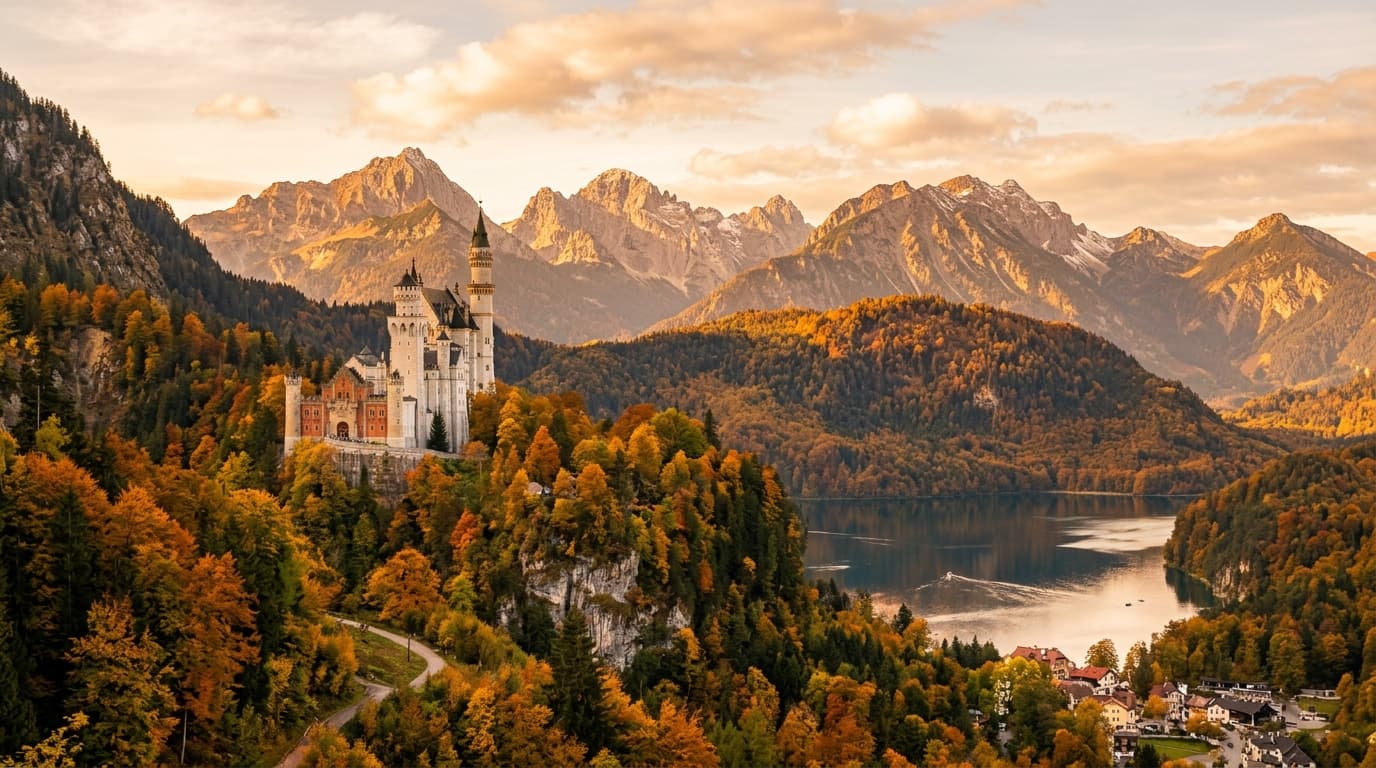
From its landscapes to its cities, Germany offers a quality of life that draws people from around the world. We handle the move — you enjoy the destination.
Why Relocate to Germany
Thriving Economy
Germany has the largest economy in Europe, with consistently low unemployment and strong demand for skilled professionals in engineering, IT, and finance.
Quality of Life
Clean cities, extensive green spaces, excellent public services, and a culture that values work-life balance contribute to consistently high quality-of-life rankings.
Universal Healthcare
Germany's statutory health insurance system covers employees and their families, offering comprehensive medical care with a broad network of doctors and specialists.
Welcoming Expat Scene
Major German cities host large, well-established international communities with English widely spoken in professional environments and urban centres.
Life in Germany
Housing & Neighbourhoods
The German rental market is well-regulated, offering tenants strong legal protections. Rents vary considerably by city — Munich and Frankfurt command premium prices, while Leipzig and Dresden remain far more affordable. Most leases are unfurnished, and a security deposit of up to three months' cold rent is standard.
Healthcare System
All employees earning below the threshold are automatically enrolled in statutory health insurance (gesetzliche Krankenversicherung), which covers doctors, hospitals, and most prescriptions. Higher earners and the self-employed can opt for private insurance. Family members without their own income can be added to the policy free of charge.
Cost of Living
Germany is moderately priced compared to other Western European countries. Groceries and dining out are affordable, and public transport passes (including the national Deutschlandticket) keep commuting costs low. The main expense for most expats is rent, particularly in Munich, Frankfurt, and Stuttgart.
Getting Around
Germany's public transport network is one of the most extensive in Europe, with high-speed ICE trains connecting major cities in under three hours. Urban centres are served by S-Bahn, U-Bahn, trams, and buses. Cycling infrastructure is excellent, and a car is generally unnecessary in most city locations.
Your move, fully managed
Ready to make Germany home?
One dedicated coordinator handles your entire relocation to Germany — visa, home, schools, banking and settling in. Get a free, tailored plan and quote.
Plan your move to Germany